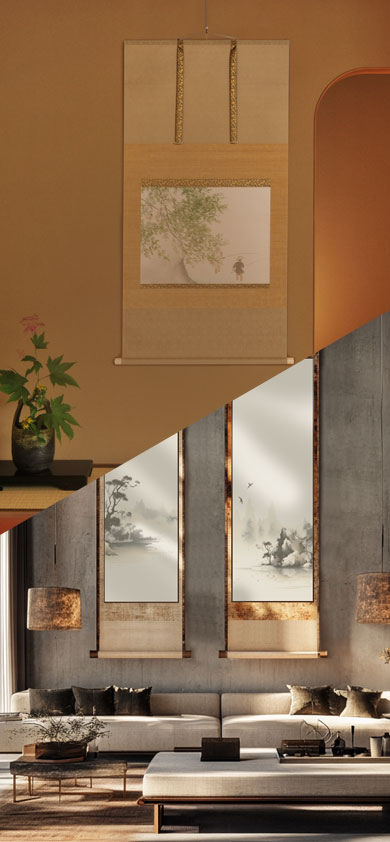
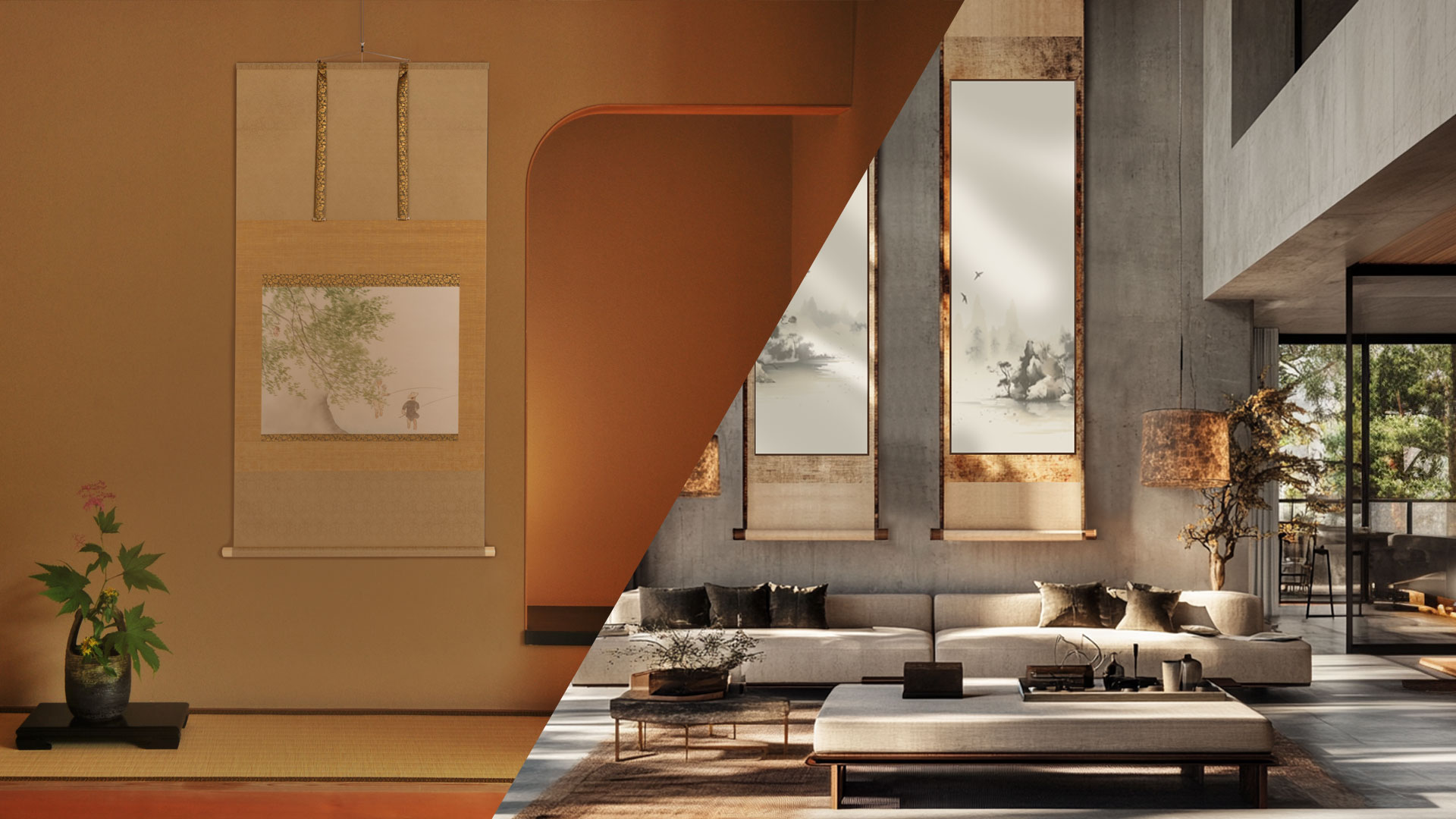
Kakejiku is a mounting method that allows works such as calligraphy and paintings on paper or silk to be hung for viewing in alcoves or on walls, while also offering excellent preservation properties.
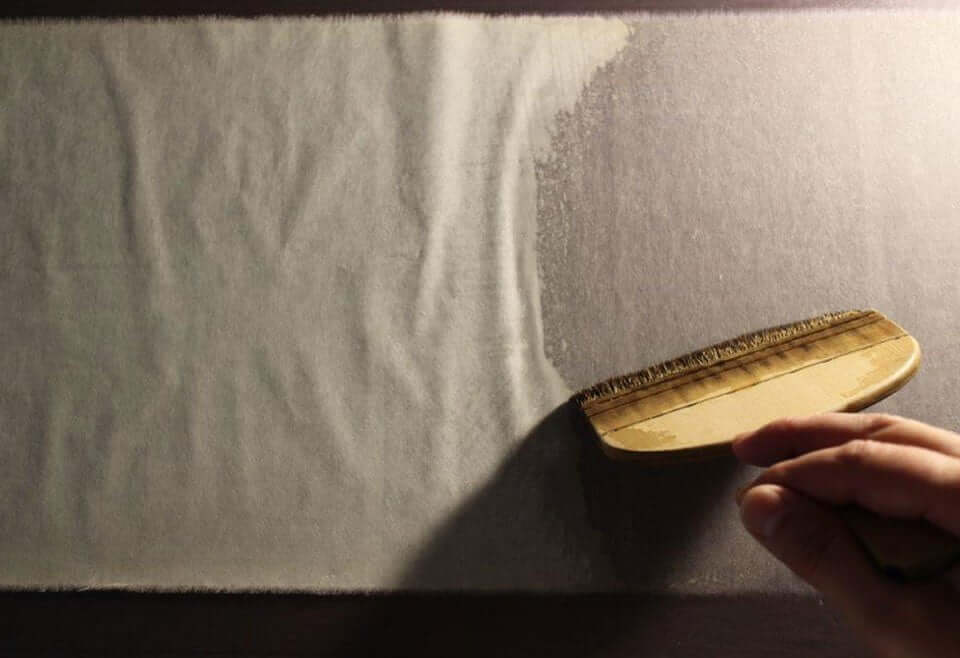
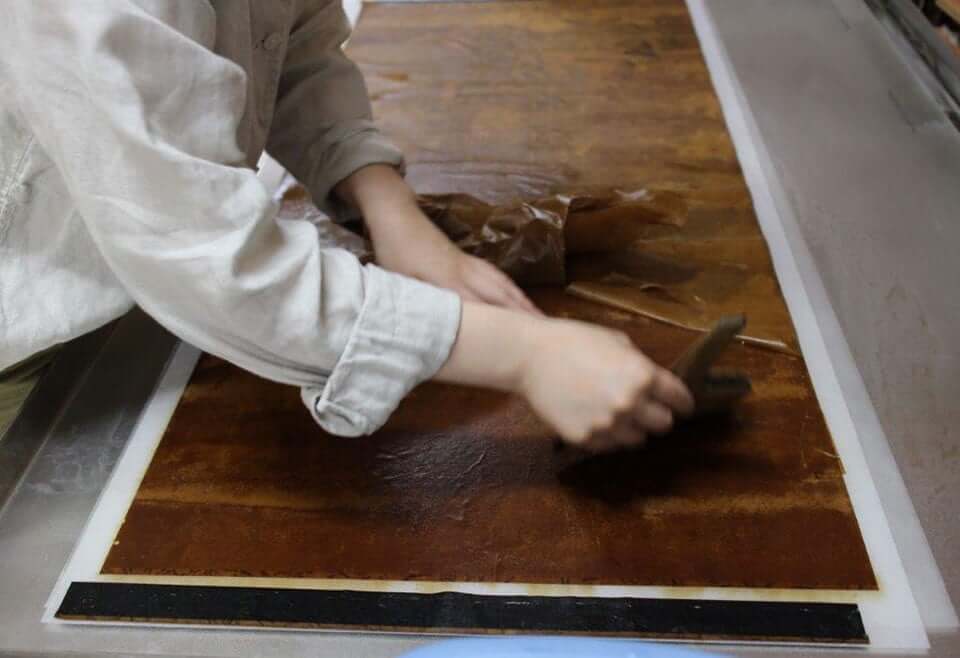
In the traditional craftwork of Edo hyōgu, nearly all processes are performed by hand by skilled artisans.




Bringing the stylish
elegance of Edo
in the contemporary
living style
New allures of Edo hyōgu

“Edo hyōgu” was designated as traditional craft by the Ministry of Economy, Trade and Industry on November 16, 2022 (Reiwa 4).
Enjoying the Edo hyōgu
Edo-hyōgu products are the beautiful traditional crafts nurtured in Japan.
They are decorative items, interior materials, and also everyday objects that have supported the Japanese interior design and decoration culture that we cherish from the ancient times.
Our modern living will enhance its beauty and vibrancy by incorporating Edo-hyōgu elements.
Product list
Kakejiku
Hanging scroll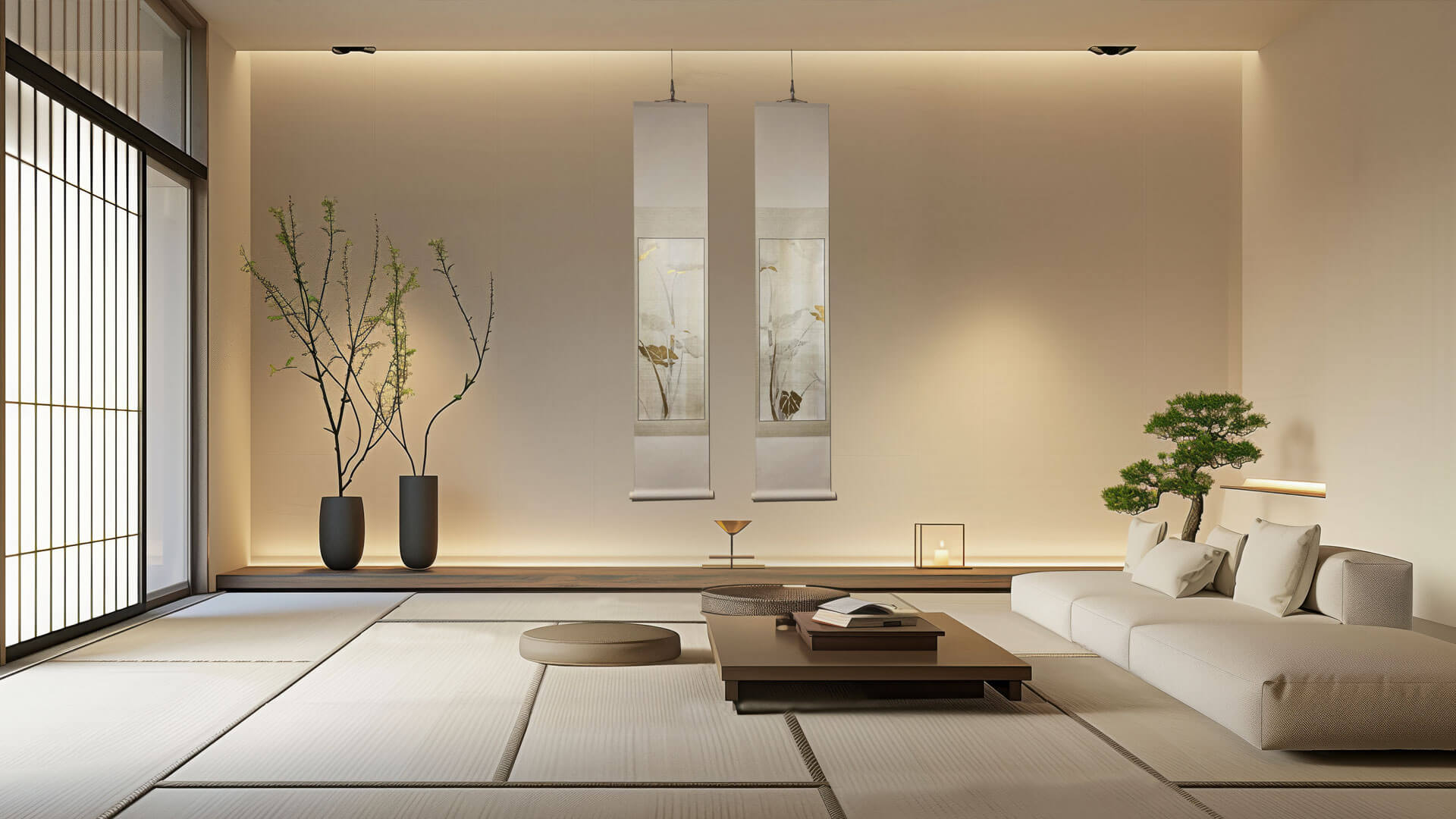
Kansu
Handscroll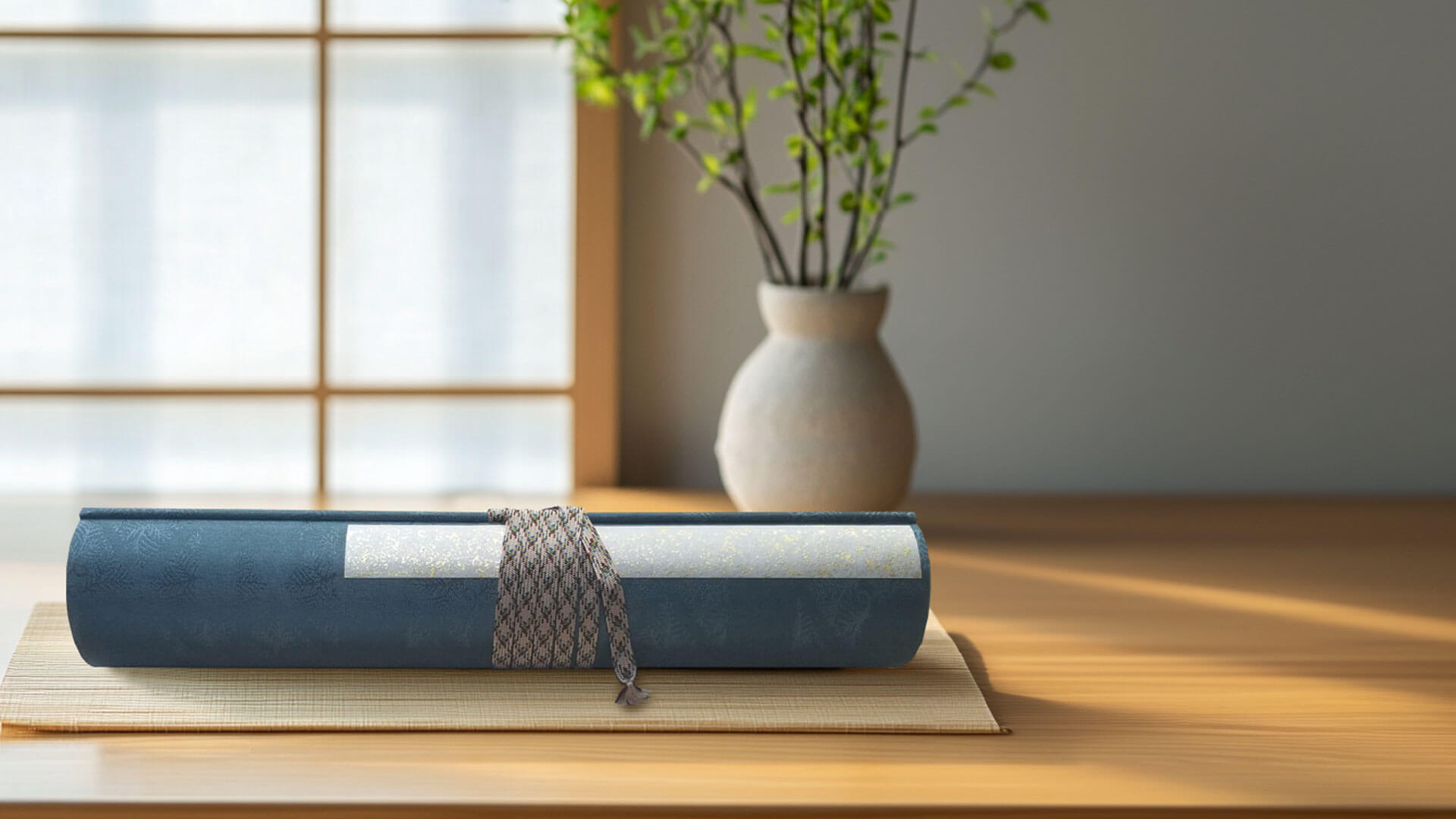
Kansu, the earliest form of books following the invention of paper, is often regarded as the origin of the Japanese mounting art, hyōgu. Its distinctive feature is the format that allows the viewer to see an extensive content at once by unfolding it with both hands.
Byōbu
Folding screen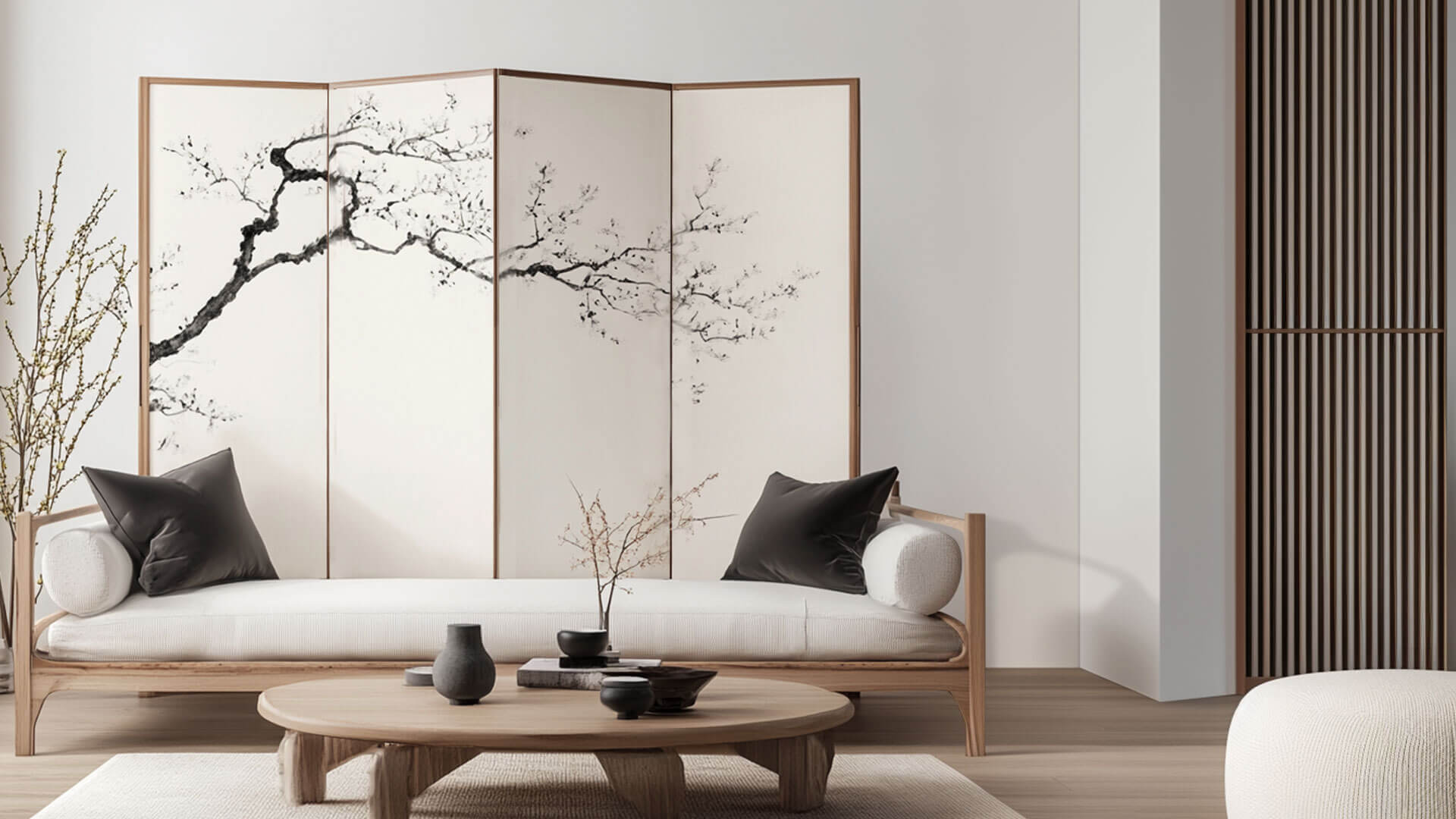
Byōbu is a furniture item used for room division and decoration, consisting of screens made of washi paper mounted on wooden frames, connected by paper or metal hinges or cords, allowing it to stand when folded into valley or mountain folds.
Gaku
Frame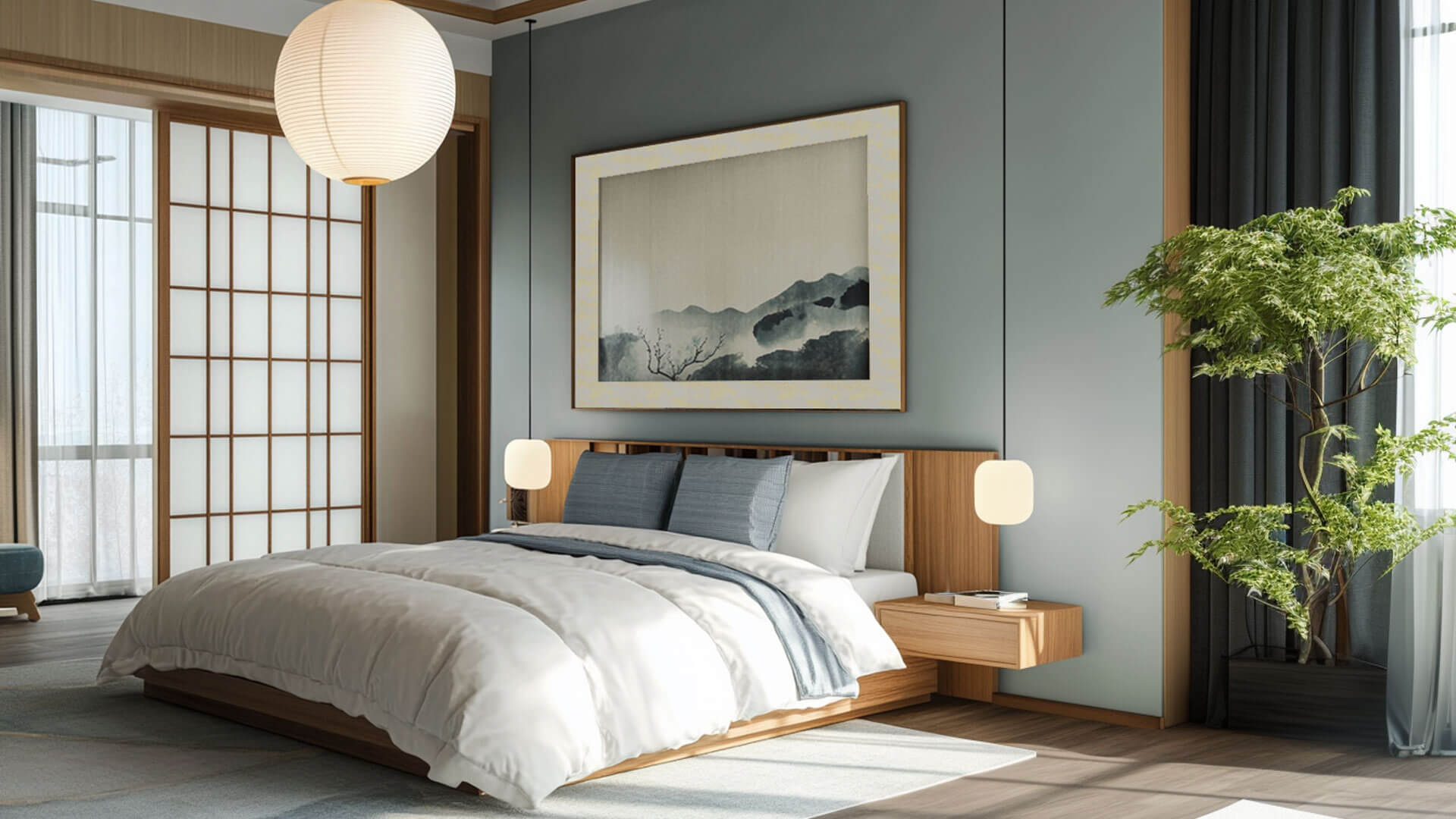
Gaku is a wooden or metal frame that encloses a painting, calligraphy, photograph, and other to display. Introduced from China alongside Buddhism, the Gaku frames underwent unique transformations in Japan, evolving into the form known today as “wagaku” or Japanese-style frame.
Fusuma
Paper sliding door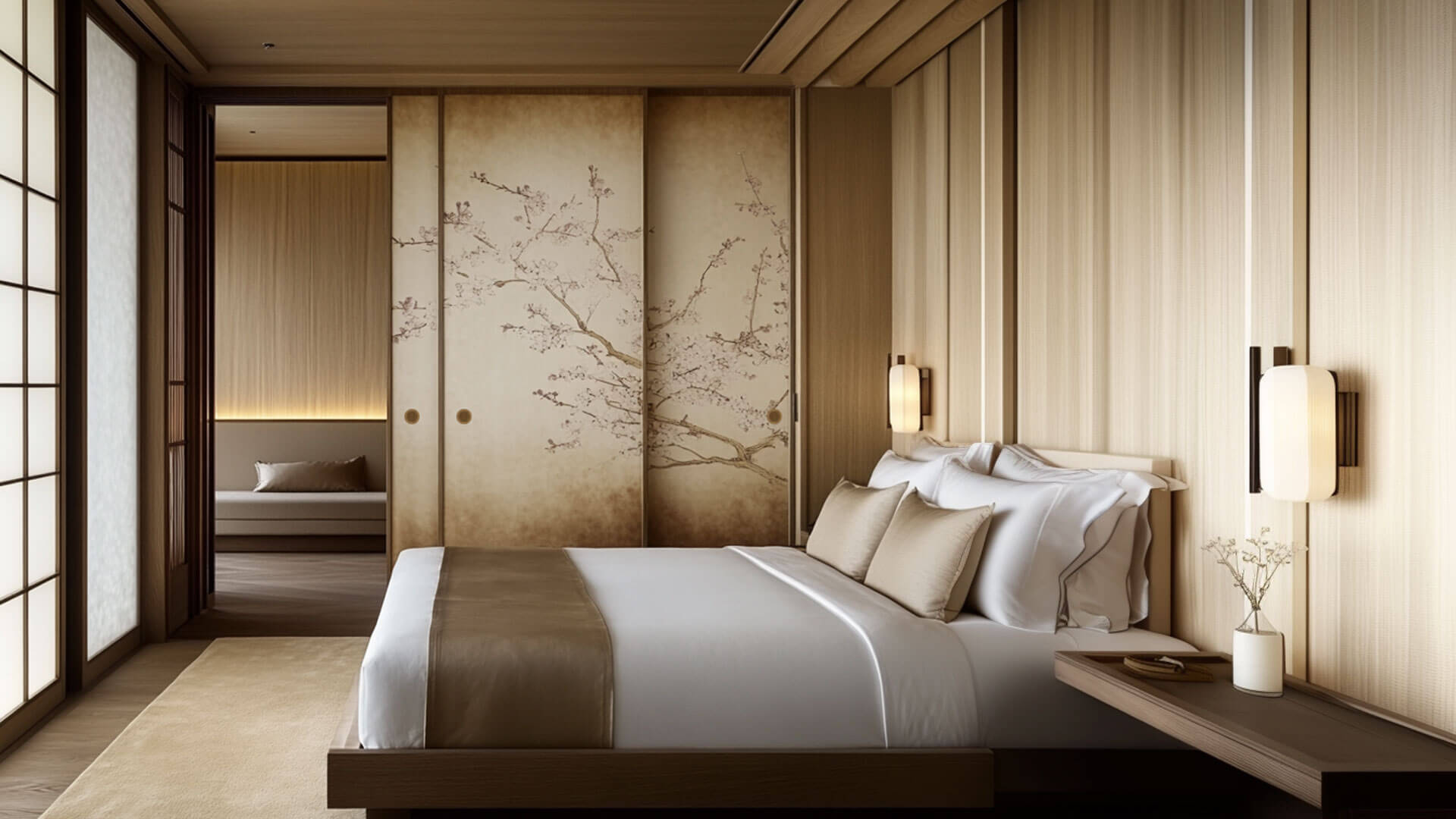
Fusuma is a room dividing furnishing unique to Japan. It consists of a wooden frame covered with paper or cloth on both sides, fitted with handles and an outer frame, and is used to partition the space in a Japanese-style room.
Tsuitate
Screen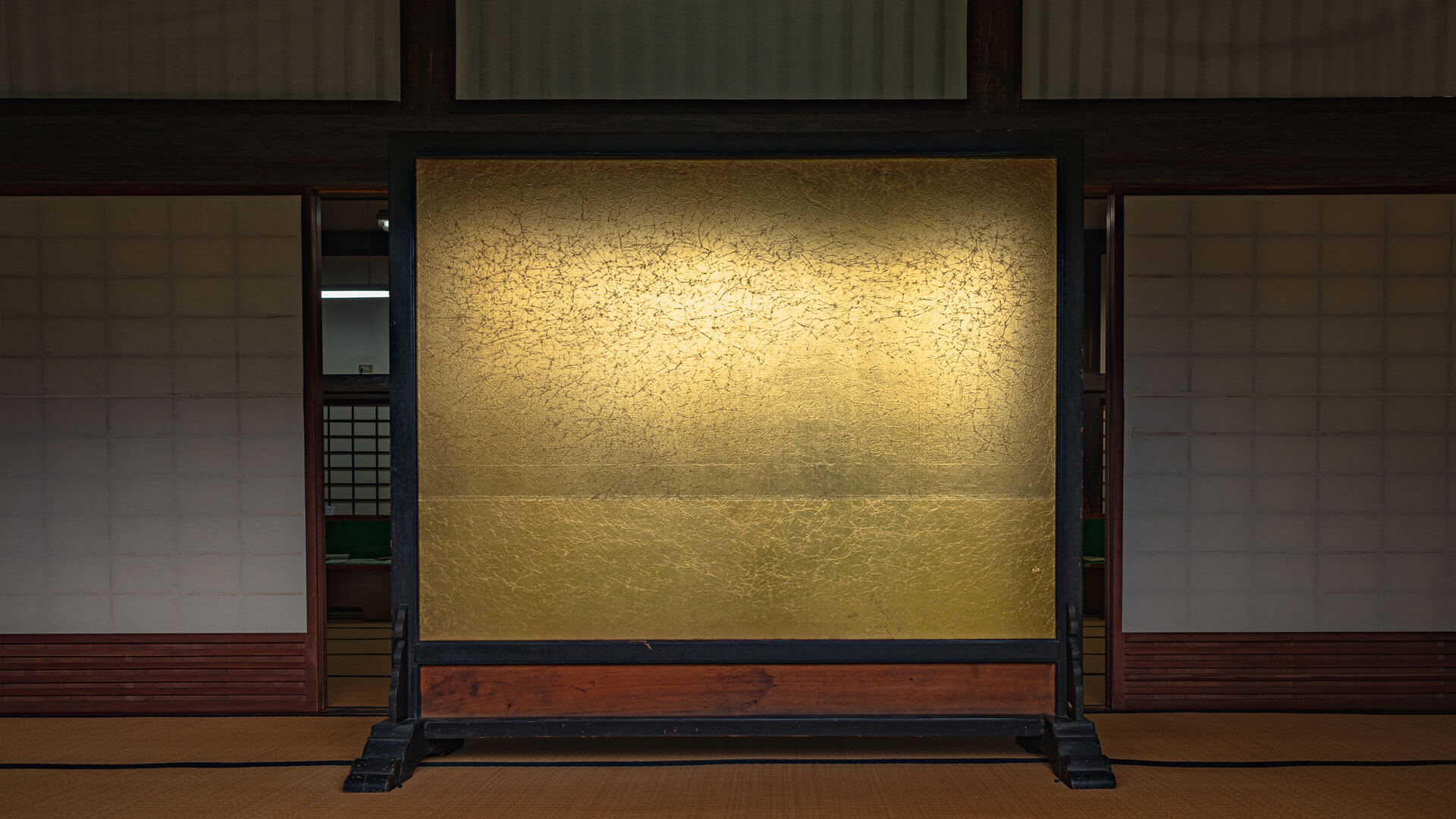
Tsuitate is a movable partition used as a privacy screen in a room. The surface features calligraphy, paintings, or decorative paper.
Kabeharitsuke
Wallpapering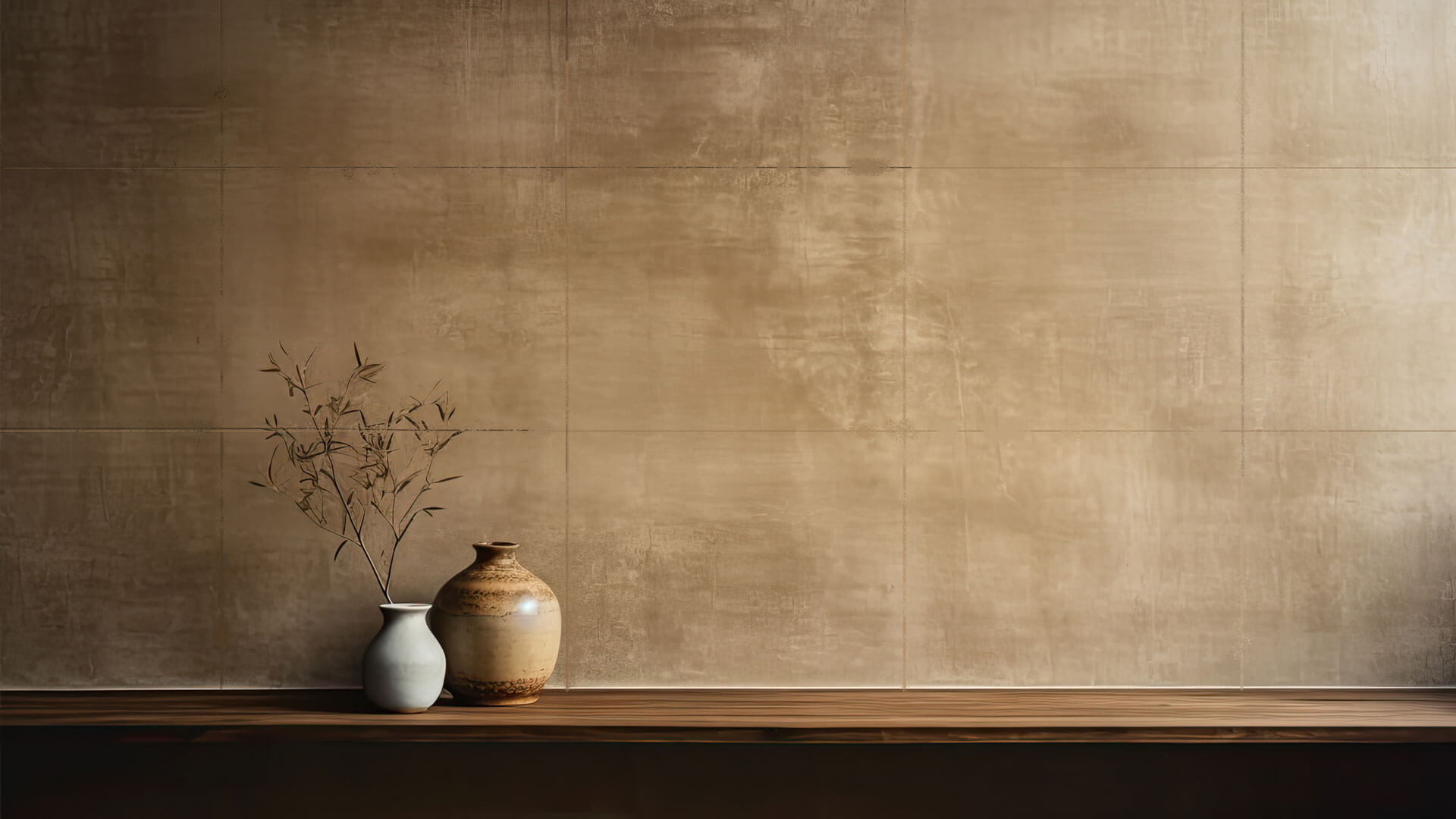
Kabeharitsuke is a wall finishing technique where layers of washi Japanese paper are applied to the wall substrate of wood or other materials.
When introducing new Edo-hyōgu products or replacing existing ones, we sincerely hope you will choose works of fine materials crafted using traditional techniques.
We would be honored if you would entrust the work to the hyōgu artisans (members) of the Associations of Tokyo Hyougu Kyouji Interior, who carry on the tradition of the
Edo hyōgu.
